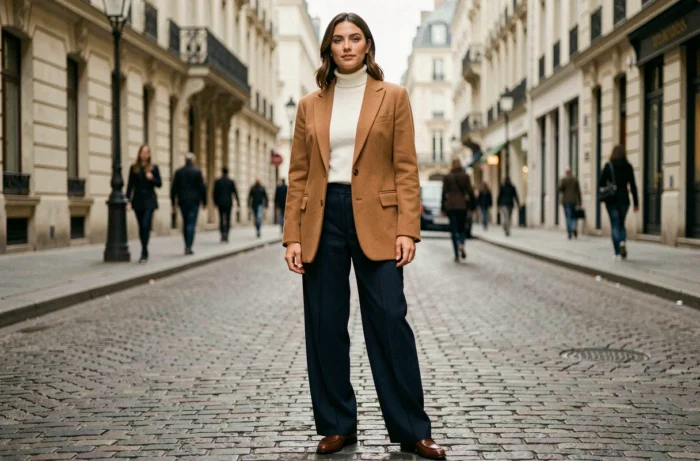
A fashion trend is not just about a color or a cut spotted on a runway. It reflects a broader shift in practices, materials, and production constraints. Current fashion trends are structured around three axes: the return of functional clothing inherited from workwear, a color palette that oscillates between intensity and natural tones, and European regulatory pressure that pushes brands to design more sustainable pieces.
Vintage workwear and men’s fashion: a functional trend driven by Generation Z
Most trend guides focus on the feminine silhouettes presented during fashion weeks. A parallel movement, less commented on, is restructuring men’s wardrobes. The Pinterest Men’s Trend Report 2026 notes a marked increase in searches related to vintage workwear, M-65 jackets, “American workwear” style, and chore coats.
This shift is driven by the male Generation Z, who associate these pieces with an aesthetic that could be described as disconnected. Queries around “offline hobbies” and “no phone ideas” have been rising sharply since 2025, steering clothing choices towards robust, utilitarian, and unembellished garments.
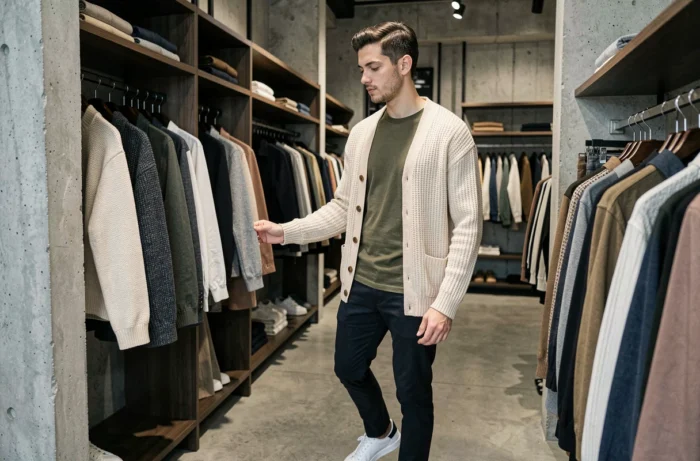
Specifically, the chore coat in thick canvas or the raw denim overshirt become central pieces. Their straight cut and patch pockets refer to a work wardrobe, but when worn with structured wide trousers or minimalist sneakers, they create a unique style that does not depend on seasonal cycles. Documented inspirations on the fashion site Magmoiselle also show how these men’s pieces integrate into women’s wardrobes through the play of oversized cuts.
Trending colors 2026: saturated palette versus earthy tones
This year, two chromatic directions coexist, and they do not mix easily. On one side, bright and bold colors (orange, yellow, vibrant pink, sky blue) appear on long flowing dresses and coordinated sets spotted on the runways of Milan and Paris. On the other, a range of natural tones (olive green, beige, brown) dominates the workwear wardrobe and military-inspired pieces.
Choosing a coherent color scheme matters more than following every trendy color. A wardrobe built around three or four compatible shades creates a more assertive effect than an accumulation of mismatched trendy pieces.
Saturated colors in practice
Bright shades work better on pieces with a large textile surface: long dress, wide trousers, short jacket. On an isolated accessory (bag, belt), they lose their impact. Butter yellow, for example, takes on its full dimension on a flowing shirt worn open over a neutral tank top.
Natural tones and their logic
Earthy colors pair well with the thick materials of workwear: canvas, denim, brushed cotton. They better withstand visible wear, aligning with the sustainability logic that is becoming prominent in textile production. A patinated olive green chore coat gains character over time, whereas a bright synthetic garment visually deteriorates.
European ESPR regulation and digital passport: what changes for clothing
The regulation (EU) 2024/1781 on the eco-design of sustainable products (ESPR), which came into effect in July 2024, is gradually changing the rules for marketing textiles and clothing in Europe. It imposes requirements for sustainability, traceability, and transparency on manufacturers, ultimately leading to a digital product passport accessible via QR code.
This regulatory framework has a direct effect on trends. Brands that anticipate these constraints are already reducing the pace of their micro-collections and investing in pieces designed to last several seasons. The visible result in stores: denser fabrics, reinforced seams, cuts less dependent on ephemeral fashion effects.
- The digital passport will require detailing the exact composition of fibers, the country of manufacture, and recycling conditions, making comparisons between brands much clearer for buyers.
- Pieces designed according to these sustainability criteria tend towards classic cuts (straight trousers, straight jacket, simple dress) that transcend seasons, a concrete advantage for building a stable personal style.
- Upcycling and responsible production are becoming verifiable arguments rather than mere marketing mentions, thanks to the traceability mandated by the regulation.
Hybrid fashion campaigns: when AI transforms trend visuals
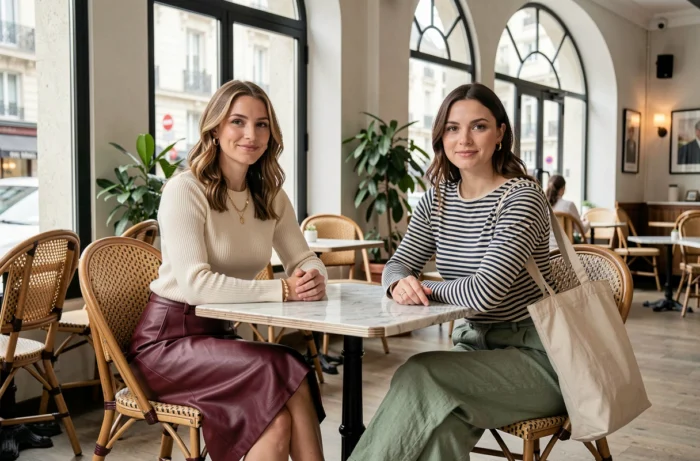
Several houses, including Gucci, launched in 2025-2026 campaigns blending AI-generated visuals with traditional photography. This practice is becoming widespread and raises a practical question: the images that define trends no longer always show real garments.
For a buyer, the consequence is practical. A silhouette spotted in a campaign visual may correspond to a drape, fall, or texture that does not physically exist as such. The key is to check whether the presented piece is available for purchase or if it is a visual concept intended to establish an aesthetic direction.
This hybridization is also prompting some brands to adopt a transparency obligation regarding the use of AI in their visuals. The informed consumer can rely on these mentions to distinguish a photographed piece from a digital projection and adjust their clothing choices accordingly.
Building a modern sustainable style rather than following every micro-trend
The axes emerging for 2026 converge towards the same direction: clothing designed to function for a long time, in a controlled color scheme, with increasing traceability. Vintage workwear, coherent palettes, and the requirements of the ESPR regulation outline a wardrobe where the quality of craftsmanship weighs more than novelty.
The most useful reflex remains to prioritize three or four well-cut pieces in durable materials, rather than renewing an entire wardrobe each season. Ethical fashion and trendy fashion are no longer opposing forces: they converge on the ground of clothing designed to last.